

This short guide helps you spot signs early and act with confidence in real situations. We explain clear definitions, common symptoms, typical triggers, and when to seek care. The goal is practical: know what to do in the moment and how to find lasting help.
Note: The phrase “anxiety attack” is commonly used but is not a formal DSM-5-TR diagnosis. By contrast, panic attacks are sudden episodes of intense fear with physical signs like a racing heart, trouble breathing, and a sense of losing control. They may come on with a trigger or out of the blue.
This guide walks you along the spectrum from routine tension to persistent worry to a full panic event. You will learn quick grounding and breathing steps that work right away, plus evidence-based options such as psychotherapy and lifestyle changes that improve mental health over time.
Need help now? Call us to book: (510) 877-0950 or schedule an appointment online at https://bewellcounselingtx.com/book-an-appointment/.
Key Takeaways
- Understand distinct patterns of onset, intensity, and duration.
- Panic attacks are sudden and intense; anyone can have them.
- “Anxiety attack” is a common term, not a DSM diagnosis.
- Learn breathing and grounding to reduce immediate symptoms.
- Seek therapy or lifestyle support when daily life is affected.
What This How-To Guide Covers and Who It’s For

This resource focuses on usable actions that help people respond quickly when symptoms begin. It is written for anyone seeking a practical, professional overview of recurring worry, what many call an anxiety attack, and sudden panic episodes.
Inside you’ll find:
- Clear definitions and short symptom checklists.
- Stepwise in-the-moment response steps for an attack and daily strategies to improve life quality.
- Guidance on when to seek urgent care for health concerns and how clinicians evaluate possible disorder signs.
This how-to format gives short, repeatable actions you can use right away and longer-term strategies that complement therapy and lifestyle change. While attacks can feel alarming, learning a reliable response helps you regain control faster and reduce disruption.
Who benefits most? People with new or recurring episodes, caregivers, and anyone who wants to be prepared in any situation. To work with a clinician, call to book: (510) 877-0950 or schedule an appointment online at https://bewellcounselingtx.com/book-an-appointment/.
| Reader | Goal | Quick Takeaway |
| Someone with new episodes | Identify signs, try immediate steps | Short actions restore calm fast |
| Caregiver | Learn safe responses | Supportive steps reduce harm |
| Anyone preparing | Build daily plans | Strategies improve long-term health |
Clear Definitions: Stress, Anxiety, “Anxiety Attacks,” and Panic Attacks
Naming reactions matters. Use clear terms when you describe what you’re feeling so clinicians can match symptoms to the right care. Below are concise definitions and practical notes to help you track episodes and share accurate details.
Stress as a response to life demands
Stress is the normal response to pressure. It can motivate action or become taxing when it lasts too long.
How clinicians view anxiety and everyday language
Anxiety is a mental and physical state tied to anticipated threats. Symptoms may build slowly and include worry, tense muscles, and restless thoughts.
The term “anxiety attack” is common in conversation but is not a formal DSM-5-TR diagnosis. Clinicians diagnose specific anxiety disorder conditions using set criteria.
- DSM-5-TR anxiety-related disorders: generalized anxiety disorder, panic disorder, social anxiety disorder, specific phobia, separation anxiety disorder, agoraphobia.
- Panic attacks: abrupt surges of intense fear with physical signs such as a racing heart, shortness of breath, dizziness, and a sense of losing control. They may come with or without a trigger.
Track frequency, context, and exact symptoms to support assessment. Clear clinical language improves treatment planning and long-term mental health outcomes.
Difference Between Stress, Anxiety, and Panic Attacks
Recognizing how quickly feelings rise helps you spot a sudden panic attack versus slower-building worry. The pattern of onset is often the clearest clue people can use in real time.
Speed and pattern of onset
Anxiety typically builds gradually in response to perceived demands or future concerns. Symptoms may grow over days, weeks, or months.
By contrast, a panic attack comes on abruptly. Physical signs—a racing heart, short breath, dizziness—can peak within minutes.
Intensity and disruption
Everyday pressure often stays manageable and tied to specific situations. Worry can widen but usually varies in intensity.
A panic episode is intensely disruptive. The surge of fear and bodily symptoms can prompt immediate avoidance of places or activities.
Expected vs. unexpected
Some panic attacks are cued by a clear trigger. Others arrive out of the blue with no cue at all. Tracking timing and context helps reveal patterns.
- Note details: where you were, what preceded the episode, how long symptoms lasted (often minutes for a single attack).
- Documenting events guides coping choices and supports clinical assessment if life, work, or relationships suffer.
Symptoms at a Glance: Anxiety vs. Panic Attack vs. Heart Concerns
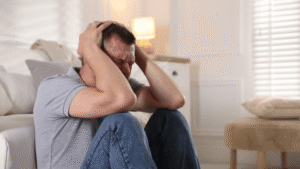
Recognizing quick physical cues helps you tell a sudden panic episode from longer-lasting worry or a heart problem. Read this short checklist to spot emotional and bodily signs and know when to seek urgent care.
Emotional signs
Worry often grows slowly and can feel persistent. By contrast, a panic attack brings abrupt dread, a sudden sense of losing control, or depersonalization.
Physical signs
Common physical symptoms include a racing heart, chest pain or tightness, shortness breath, dizziness, trembling, sweating, nausea, and tingling.
Duration and aftereffects
Panic typically peaks within 5–20 minutes and then eases, though people may feel unsettled afterward. Ongoing anxiety symptoms can last days or longer and reduce daily functioning.
When to consider heart evaluation
Severe chest pain, prolonged shortness breath, or persistent palpitations may suggest a cardiac problem such as a heart attack. Clinicians often order an EKG and lab tests to rule out heart or thyroid causes when presentations overlap.
- Track timing: note where you were, what came first, and how long symptoms lasted.
- If you have severe chest pain or sudden collapse, call emergency services immediately.
If these signs worry you, call to book: (510) 877-0950 or schedule an appointment online at https://bewellcounselingtx.com/book-an-appointment/.
Common Triggers, Causes, and Risk Factors
Certain situations, drugs, and medical problems commonly set the stage for abrupt episodes of intense fear. Knowing typical triggers and background factors helps people plan prevention and treatment.
Situations, phobias, and stimulants
Situational stressors such as flying, heights, or crowded spaces can cue expected panic attacks for some. Phobias often produce predictable responses.
Stimulants like high caffeine intake, some cold medicines, or certain prescription drugs increase body arousal and lower the threshold for episodes.
Medical conditions that complicate symptoms
- Chronic illnesses—heart disease, diabetes, asthma, IBS—or thyroid problems can mimic or worsen symptoms.
- Withdrawal from substances can also provoke sudden episodes, so medical review is important.
Personal history and co-occurring issues
Exposure to trauma, a family history of similar disorders, and co-occurring depression raise risk. People may also experience unexpected episodes with no clear trigger.
Takeaway: A holistic evaluation that covers medical, psychological, and lifestyle contributors leads to more precise prevention and effective treatment. Seek timely assessment to reduce frequency and restore daily functioning.
How to Respond in the Moment: Practical Steps You Can Use Now
Quick, clear actions often cut the worst moments short and restore a sense of control. Use simple tools to calm the body, steady your mind, and ride the episode safely until it passes.
Breathing to ease shortness of breath
Try this 4-6-8 diaphragmatic pattern: inhale slowly through your nose for 4 seconds, let the belly expand, hold 1–2 seconds, then exhale gently for 6–8 seconds. Repeat for 4 cycles. Longer exhales downshift arousal and reduce physical symptoms.
Mindfulness and grounding when you feel detached
If you feel detached or overwhelmed, use the 5-4-3-2-1 senses method. Name 5 things you see, 4 you can touch, 3 you hear, 2 you smell, 1 you taste or a color. This brings attention back to the present and lowers the sense of unreality.
Acknowledging symptoms and riding the wave
Say to yourself: “I notice these sensations. They are intense but time-limited.” Validate your feelings without judgment. Remind yourself this often peaks in minutes and will ease.
- Progressive muscle relaxation: tense each muscle group for 5 seconds, then release.
- Guided imagery: picture a calm scene and focus on details to alter bodily arousal.
- Self-talk: “This is a panic attack; I can breathe through it; it will pass.”
- Log it: note symptoms, context, and time to spot patterns later.
- Safe exit plan: if needed, leave or change the situation calmly, while planning to return later to avoid reinforcing avoidance.
| Immediate Step | How to Do It | Why It Helps |
| Diaphragmatic breathing | Inhale 4s, hold 1–2s, exhale 6–8s — 4 cycles | Reduces shortness breath and lowers heart rate |
| 5-4-3-2-1 grounding | Name senses or objects aloud | Re-orients attention and reduces detachment |
| Progressive relaxation | Tense/release muscle groups for 30–60s | Relieves tension and interrupts fear spirals |
If you’re experiencing frequent or worsening episodes, professional support can help you build these strategies into a reliable plan that fits your life.
Getting a Diagnosis and Evidence-Based Treatment Options
A precise clinical evaluation guides targeted treatment and helps rule out medical causes that can mimic sudden panic.
What clinicians evaluate
Clinicians begin with a focused history of symptoms and timing. They ask about prior episodes, triggers, medications, and family history.
A physical exam follows. Providers may order blood tests and an EKG to exclude heart or thyroid conditions that can cause similar symptoms like chest pain.
Therapies that work
CBT and cognitive therapy change unhelpful thought patterns that fuel episodes. Exposure therapy reduces avoidance in real-life situations.
Relaxation training—guided imagery, progressive muscle relaxation, biofeedback, and autogenic techniques—teaches body regulation skills.
Medication options and safety
- SSRIs and SNRIs are common first-line medications for many anxiety and panic disorder presentations.
- Beta-blockers can help physical signs such as palpitations in specific situations.
- Short-term benzodiazepines may be used cautiously; note the FDA boxed-warning about dependence and the need to avoid alcohol or opioids.
Building a coordinated plan
Most effective plans combine psychotherapy, medication when indicated, and lifestyle changes. Providers set follow-up to adjust treatment as symptoms evolve.
“A joined approach across mental and physical health gives the best chance to reduce episodes and restore daily function.”
| Step | Why it matters | Typical timeline |
| Diagnosis (history, labs, EKG) | Rules out cardiac or thyroid causes | Same visit to a few days |
| Therapy (CBT, exposure) | Reduces avoidance and rewires responses | Weeks to months |
| Medication (SSRIs/SNRIs, beta-blockers) | Manages symptoms while therapy builds skills | Minutes to weeks for relief; full effect in weeks |
Want help starting an evidence-based plan? Call us to book: (510) 877-0950 or schedule an appointment online at https://bewellcounselingtx.com/book-an-appointment/. We coordinate care when chest pain or other overlapping signs prompt medical review.
Lifestyle Strategies to Reduce Anxiety and Prevent Panic Attacks
Small, steady lifestyle changes reduce the chance of sudden panic and help stabilize daily mood. These practical strategies support physical regulation so episodes occur less often and feel milder when they do.
Daily habits that build resilience
Consistent sleep, regular exercise, and balanced nutrition form the base of good health. Aim for a routine bedtime, 30 minutes of moderate movement most days, and meals with protein, fiber, and healthy fats.
Limit alcohol and caffeine to lower jitteriness and rebound effects that can trigger an attack. Track habits alongside any symptoms to see what helps over time.
Support, stress tools, and thought work
Mindfulness, brief breathing practice, and yoga lower arousal and reduce long-term vulnerability to episodes. Cognitive techniques like thought reframing help people move away from catastrophic interpretations that fuel avoidance.
Social support and peer groups normalize experiences and share coping tools. Steady lifestyle practices complement therapy and medication for lasting mental health gains.
| Habit | Action | Benefit |
| Sleep | Set regular sleep/wake times | Stabilizes mood and lowers bodily arousal |
| Exercise | 30 min most days, brisk walking or yoga | Reduces baseline tension and improves sleep |
| Substance limits | Cut back caffeine and alcohol | Decreases jitteriness and rebound anxiety |
Need Support Now? Call or Book an Appointment
Early contact with a clinician can shorten recovery and help you regain control sooner. If episodes are escalating, frequent, or interfere with work, school, or relationships, reach out for immediate support.
Call Us to Book: (510) 877-0950
Phone booking offers direct triage. Our team can advise whether urgent evaluation is needed and arrange a timely visit to review symptoms, rule out medical causes, and start a care plan.
Schedule an appointment online: https://bewellcounselingtx.com/book-an-appointment/
Use online booking for faster access and flexible scheduling. A prompt appointment can clarify overlapping signs and tailor a personalized treatment plan for panic disorder, related worries, or recurring attacks.
- If you’re panic or worried you’re panic attack might happen again: a focused evaluation can identify triggers and next steps.
- Many people feel relief after beginning evidence-based psychotherapy, medication when indicated, and lifestyle support.
- Bring a brief symptom history to your first visit to speed diagnosis and planning.
- Family members and caregivers are welcome to call or book to coordinate care.
- Starting treatment early often shortens the path back to feeling like yourself and improves long-term health outcomes.
Need help now? Call (510) 877-0950 or schedule an appointment online at https://bewellcounselingtx.com/book-an-appointment/.
Conclusion
Summing up: quick in-the-moment actions, medical checks, and a tailored care plan often restore steady daily function.
Panic events tend to start suddenly and ease within minutes, while anxiety usually builds and can last longer. Overlapping signs—racing heart, shortness breath, chest pain, dizziness, detachment, and strong fear—mean a medical review may be needed to rule out a heart attack or other conditions.
Use the breathing, grounding, and lifestyle steps here, and pair them with evidence-based therapy and medications when recommended. If you’re experiencing ongoing symptoms or worry you may experience another episode, early consultation improves outcomes.
Call Us to Book: (510) 877-0950 or schedule an appointment at https://bewellcounselingtx.com/book-an-appointment/. With the right plan, people regain control and feel better over time.
FAQ
What is the difference in onset between gradual anxious feelings and sudden panic?
Gradual anxious feelings build over hours or days and often follow ongoing worry or stressors. Panic comes on abruptly, peaking within minutes with intense physical symptoms like racing heart, chest pain, and shortness of breath. Panic episodes typically feel sudden and overwhelming, while anxiety tends to be more persistent and diffuse.
Can a panic episode feel like a heart attack?
Yes. Chest pain, tightness, palpitations, and shortness of breath during a panic episode can mimic cardiac symptoms. Because heart conditions are serious, get immediate medical evaluation if you have new, severe, or unexplained chest pain or risk factors for heart disease.
What are the common physical signs that distinguish panic from general worry?
Panic often includes intense physical signs such as choking sensations, dizziness, trembling, sweating, hot flashes, and paresthesia (numbness or tingling). General worry usually brings muscle tension, restlessness, and sleep troubles but fewer intense autonomic symptoms.
Is “anxiety attack” an official diagnosis?
No. The term “anxiety attack” is used informally. Clinical diagnoses use categories like generalized anxiety disorder, panic disorder, or specific phobias. Clinicians assess symptom patterns, duration, and impairment to make a diagnosis.
How long do panic episodes usually last, and what follows them?
Panic attacks typically last 10–30 minutes, with symptoms peaking within the first few minutes. After an attack, people may feel fatigued, shaken, or worry about future attacks—sometimes leading to avoidance behaviors that can cause further problems.
What triggers commonly lead to panic attacks or severe anxiety?
Triggers include intense life stress, phobic cues (heights, closed spaces), stimulant use (caffeine, amphetamines), medical conditions (thyroid problems), and traumatic memories. For some people, attacks occur unexpectedly without a clear external trigger.
What should I do during an acute panic attack to reduce symptoms now?
Use slow diaphragmatic breathing, ground with the senses (name five things you see, four you can touch), focus on a fixed object, and remind yourself the episode will pass. If symptoms persist or you suspect a medical cause, seek urgent care.
How do clinicians evaluate possible panic disorder or anxiety conditions?
Evaluation includes a clinical history, review of symptoms and triggers, physical exam, and sometimes labs or an EKG to rule out medical causes. Clinicians also screen for co-occurring conditions like depression or substance use.
What evidence-based treatments reduce panic and chronic anxiety?
Cognitive behavioral therapy (CBT), exposure-based treatments, relaxation training, and mindfulness have strong evidence. Medications such as SSRIs/SNRIs, beta-blockers for situational symptoms, and short-term benzodiazepines in select cases can help when used safely.
What lifestyle changes can lower baseline anxiety and prevent attacks?
Regular exercise, consistent sleep, balanced nutrition, limiting alcohol and caffeine, stress management, and social support reduce risk. Building daily routines and practicing relaxation skills makes symptoms easier to manage over time.
When should I seek immediate medical help versus scheduling outpatient care?
Seek emergency care for severe chest pain, fainting, severe breathlessness, or neurological signs. For recurrent panic or persistent anxiety interfering with life, schedule outpatient assessment with a mental health professional for diagnosis and treatment planning.
Can trauma or family history increase risk for panic or anxiety disorders?
Yes. Personal trauma, a history of adverse experiences, and a family history of anxiety or mood disorders raise susceptibility. Co-occurring conditions like depression or substance use also increase risk and affect treatment choices.
Are there quick grounding techniques for when I feel detached or derealized?
Try the 5-4-3-2-1 grounding technique (identify 5 sights, 4 touches, 3 sounds, 2 smells, 1 taste), hold a cold object, stomp your feet to feel your body, and breathe slowly while naming the present moment. These methods restore orientation and reduce panic-driven dissociation.
How do I build a safety plan for future episodes?
Include steps to recognize early signs, go-to breathing and grounding techniques, a list of supportive contacts, medication instructions if prescribed, and when to seek medical care. Share the plan with trusted people and review it regularly with your clinician.
Where can I book an appointment or get urgent support?
Call (510) 877-0950 to book or schedule online at https://bewellcounselingtx.com/book-an-appointment/ for non-urgent care. In a crisis with immediate danger or severe medical symptoms, call emergency services or go to the nearest ER.