
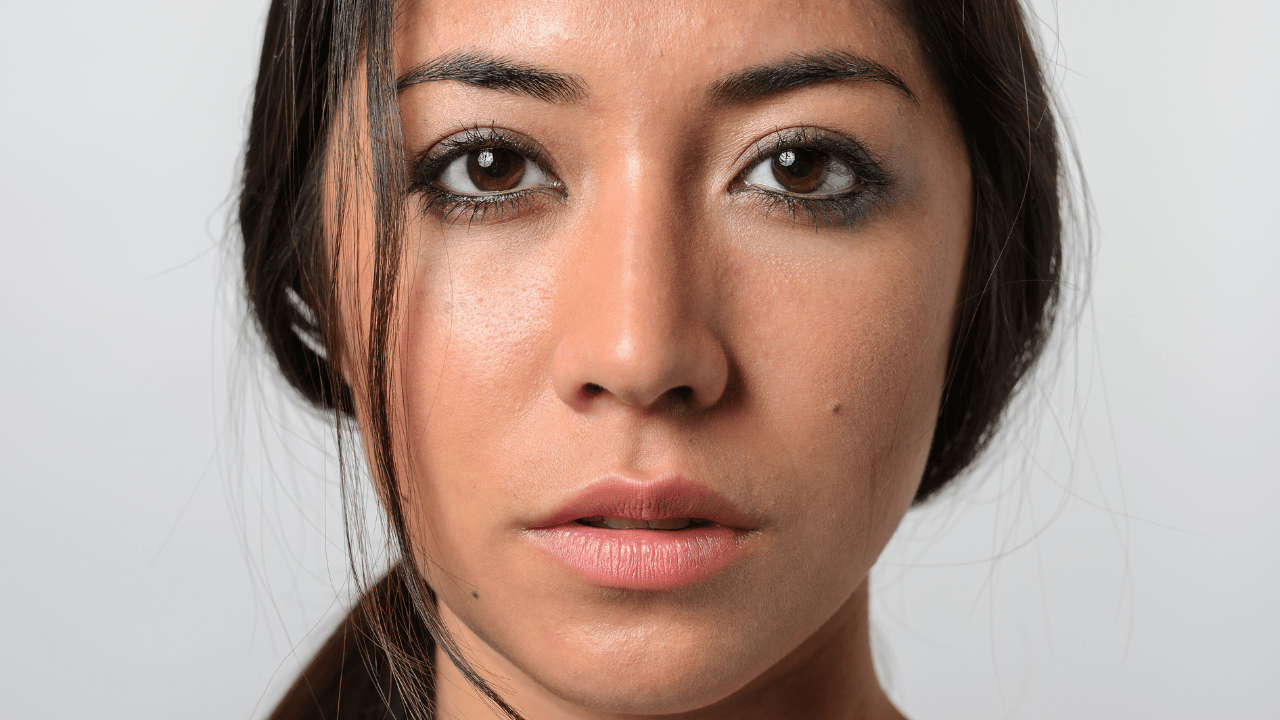
On a Monday morning, a packed Starbucks line moves fast. A phone buzzes, a calendar alert pops up, and someone smiles while saying, “All good.” From the outside, it looks like a normal rush. Inside, the mind keeps sprinting—replaying a message, scanning for what could go wrong, and tightening the grip on the coffee cup.
That’s the gap many people miss. Anxiety symptoms don’t always show up as pacing or public panic. In real life, hidden anxiety signs often look like being organized, being reliable, or staying “on top of it.” For anxiety in adults, the most visible clue can be how well someone seems to function.
This article takes a case study-style look at the quiet version of anxiety—persistent, internal, and draining. It can shape choices, sleep, focus, and relationships without drawing attention. And because it blends into everyday routines, it often gets mislabeled as personality, stress, or a busy season.
In the sections ahead, you’ll learn the overlooked anxiety symptoms that tend to hide in plain sight. We’ll cover emotional signals like irritability, thinking patterns like overthinking and blanking out, behaviors like perfectionism and overworking, and body clues like tension, stomach issues, and fatigue. Recognizing hidden anxiety signs is often the first step toward spotting patterns and deciding whether support, including therapy, could help.
Key Takeaways
- Anxiety symptoms can be real and impairing even when there’s no panic attack.
- Hidden anxiety signs often blend into “normal” habits like productivity, control, and constant planning.
- Anxiety in adults may look calm on the outside while the nervous system stays on high alert.
- Subtle anxiety can affect emotions, focus, decisions, and sleep over time.
- Body signals—like muscle tension, nausea, and exhaustion—can be part of anxiety, not just stress.
- Awareness makes it easier to name patterns and consider next steps, including professional help.
The Myth of “Obvious” Anxiety in Adults
Many think anxiety is easy to spot: shaky hands, constant worry, or a public meltdown. This stereotype hides the quieter signs that can sneak up on you. These signs might look like a calm exterior and a busy schedule.
In adults, anxiety can be hidden behind a mask of control. It might look like everything is fine because nothing seems wrong. But inside, the person might feel tight and rushed.
Why anxiety in adults can look like achievement, control, or a “Type A” personality
Anxiety can be sneaky. It might show up as over-preparation, double-checking, or taking on too much. These actions can earn praise at work and home.
But with high functioning anxiety, these habits can trap the mind in pressure and self-criticism. This can make it hard to break free from the cycle.
How hidden anxiety signs get dismissed as stress, moodiness, or being “just busy”
When someone keeps delivering, their anxiety might be seen as just stress or burnout. Irritability or restlessness can be written off as moodiness or being busy.
Because the person seems to have it all together, their anxiety is often mistaken for ambition. This can delay getting the help they need, even as their emotional toll grows.
The internal vs. external mismatch: looking calm while your nervous system stays on high alert
In meetings or social events, someone might appear calm and in control. But inside, they might be battling a storm of worries and self-doubt.
This mismatch affects the body too. With high functioning anxiety, the body stays tense and alert, even when outwardly calm. This can lead to shallow breathing and a constant search for problems.
| What others see | What the person may feel | How it gets mislabeled |
| Always prepared, early, and dependable | Persistent worry about mistakes and being judged | “So driven” or “such a perfectionist” |
| Organized, controlling details, hard to delegate | Fear that something will fall apart without constant oversight | “Type A” personality or “just particular” |
| Busy schedule and strong output | Racing thoughts, guilt during rest, pressure to keep producing | “Just busy” or “work ethic” |
| Calm tone and polite in public | Body on high alert, tension, and a nonstop sense of urgency | “Handling it well” despite anxiety symptoms |
Subtle anxiety symptoms People Commonly Overlook
Many anxiety symptoms don’t show up in big ways. They appear in how you speak, when you act, and in your daily choices. These signs can seem like just being stressed or having a certain personality until they start to affect your work, health, and relationships.
It’s important to notice patterns because our nervous system learns from them. When worry is always there, it can change how you react, plan, and rest. For many, online therapy for anxiety helps link these patterns to what triggers them and builds better coping skills.
Irritability or anger that shows up as a short fuse
Anxiety can make you snap at small things like delays, loud noises, or mistakes. When you’re already on edge, you lose patience fast. You might feel tense and ready to argue, even when you don’t want to.
These symptoms are often seen as being moody. But a quick temper can be a stress response, not a flaw. Noticing when you get irritated—like late afternoon or during commutes—can reveal hidden anxiety signs.
Perfectionism, procrastination, and overworking driven by fear of failure or judgment
Perfectionism might seem like having high standards, but it’s often driven by fear. You might keep rewriting emails or avoid starting tasks because they might not be perfect. This pressure can make you work late to catch up.
This cycle can make you seem like you’re always hustling. But really, it’s often fear of being judged, disappointing others, or making the wrong choice. Online therapy for anxiety can help you think more clearly and reduce the need to prove yourself all the time.
Overfunctioning and constant busyness to avoid uncomfortable thoughts and feelings
Some people deal with anxiety by staying busy all the time. They fill their days with errands, extra projects, and packed schedules. This way, they avoid feeling uncomfortable feelings when it’s quiet.
Over time, this can be praised as being reliable and on top of things. But it comes at a cost. Online therapy for anxiety can help you find a healthier balance and learn to sit with uncomfortable feelings without running away from them.
Difficulty concentrating or your mind going blank when worry runs in the background
An anxious brain tries to do too many things at once. This can lead to missing details, forgetfulness, or a blank mind. It’s like your brain is multitasking in the worst way.
These symptoms can look like distraction or even ADHD. But the real difference is the worry in the background. Noticing when your focus drops can help uncover hidden anxiety signs you didn’t connect to stress.
Indecisiveness and overthinking everyday choices
When anxiety is present, making simple decisions can feel overwhelming. You might overthink what to wear, what to cook, or whether to get gas now or later. Your brain treats these small choices like big risks.
This can lead to seeking reassurance, comparing options for too long, or replaying past decisions. These signs often show up when you’re tired or already stressed. Online therapy for anxiety can help you make quicker decisions and move forward with less doubt.
Avoidance that grows when decisions and “getting it right” start to feel overwhelming
Avoidance can start quietly. You might delay calls, skip RSVPs, or leave forms unfinished because it feels easier than making the wrong choice. The relief is short-lived.
Over time, avoidance teaches your brain that situations are dangerous. This is how anxiety symptoms can spread from one area to many. Spotting these signs early can help keep your world from shrinking.
Fatigue and emotional exhaustion from a brain that won’t stop scanning for problems
Anxiety is exhausting, even when nothing bad happens. Your mind keeps scanning, rehearsing, and self-checking like a hamster wheel. This constant effort drains your energy and can leave you exhausted after a normal day.
Fatigue is often overlooked as an anxiety symptom because it looks like sleep loss or being busy. But emotional exhaustion can also come from holding it together all day. Online therapy for anxiety can help reduce rumination and build recovery habits that actually restore you.
| Often dismissed as | What it can be instead | How it tends to show up day to day |
| “I’m just stressed and cranky” | Hidden anxiety signs tied to a high-alert nervous system | Snapping at small issues, feeling tense in lines, getting irritated by minor noise |
| “I’m a hard worker” | Anxiety symptoms driven by fear of judgment | Over-editing, delaying starts, working late to avoid mistakes |
| “I like to stay busy” | Avoidance through overfunctioning | Overbooking, filling silence with tasks, discomfort when plans cancel |
| “I can’t focus anymore” | Worry running in the background | Mind going blank, rereading the same page, forgetting simple details |
| “I’m indecisive” | Overthinking to prevent a bad outcome | Spending too long on small choices, replaying decisions after the fact |
| “I’m tired all the time” | Emotional exhaustion from constant scanning | Feeling drained after social time, needing extra downtime, waking up still worn out |
High Functioning Anxiety: When You Look “Put Together” but Feel Stretched Thin
Some people keep a neat calendar, hit deadlines, and show up for everyone. From the outside, it looks like they’re steady and capable. But inside, they might feel a constant, low-grade pressure that never goes away.
This pattern is common in adults because it fits well with work and family life. The visible sign is how well they perform, but the real cost is hidden. Over time, anxiety symptoms can be hard to spot because the results look good.
The constant push to stay productive so you don’t fall behind
Being busy feels safer with high functioning anxiety. If there’s a free hour, it gets filled. The mind fears that stopping could mean missed chances or bad reviews.
This push can show up as constantly switching tasks, taking on extra projects, and checking work “one more time.” These actions might look like drive, but they often come from fear, not choice.
Feeling guilty anytime you slow down because rest feels “unearned”
Rest can make you feel guilty instead of relieved. Even relaxing activities can seem like wasted time. Your brain might start listing what should be done next, as if calm has to be earned.
For many adults with anxiety, this guilt is a daily loop. Work hard, try to rest, feel bad for resting, then work harder to make up for it.
Overanalyzing small interactions long after they’re over
A quick meeting, a short email, or a hallway chat can replay for hours. You might search for hidden meanings in tones or late replies. It feels like a mental audit to prevent future mistakes.
These symptoms often include rumination, second-guessing, and rewriting messages. High functioning anxiety can turn simple moments into long debates with yourself.
The fear of letting others down, even when no one asked more of you
Saying yes can feel easier than saying no. You might take on extra work, cover for others, or keep volunteering because disappointment feels unsafe. The pressure comes from your own standard, not a direct request.
In adults with anxiety, this can lead to over-commitment and constant availability. High functioning anxiety can make boundaries feel like a personal failure instead of a normal limit.
Why high functioning anxiety is easy to miss—when others praise your capability
Reliability gets rewarded. Managers often value detail, fast turnaround, and “always on” energy. Friends and family may lean on the person who never drops the ball.
That praise can make anxiety symptoms harder to name. If the outcome looks successful, it’s easy to ignore the strain it takes to keep operating at 110%.
The hidden link to burnout when your usual coping tools stop working
When productivity is used to calm worry, it can stop working over time. The to-do list gets longer, self-talk gets harsher, and real recovery gets delayed again. High functioning anxiety can shift from motivation to depletion without much warning.
Burnout often shows up as emotional drain, irritability, detachment, and a sense that nothing is enough. In adults with anxiety, these changes may be misread as “just stress,” even when anxiety symptoms have been building for months.
| What it looks like on the outside | What it can feel like on the inside | Common anxiety symptoms in the moment | What tends to happen next |
| Always prepared, early, and organized | Pressure to stay ahead so nothing falls apart | Racing thoughts, tight chest, constant scanning for errors | Overplanning, overchecking, and difficulty relaxing later |
| High output and quick responses | Fear that slowing down will look like laziness | Restlessness, irritability, trouble focusing on one task | Filling every gap with tasks, even on nights and weekends |
| Helpful, dependable, says “yes” often | Worry about letting people down without being asked | Stomach tension, dread before replying, mental rehearsing | Over-commitment, resentment, and reduced personal time |
| Calm in meetings and polished in emails | Replaying small moments and fearing judgment | Rumination, jaw clenching, urge to re-read messages | Second-guessing, delayed decisions, and social fatigue |
| Gets praised for being “on top of it” | Feeling trapped by the image of capability | Low-grade panic, self-criticism, difficulty feeling satisfied | Risk of burnout when high functioning anxiety runs the schedule |
Body Clues and Daily Consequences of Hidden Anxiety Signs
Hidden anxiety signs often show up in the body before you can name what you feel. You may look fine on the outside, yet your nervous system stays on alert. Over time, these anxiety symptoms can shape your days in quiet but real ways.
Fight-or-flight shows up in the gut and skin
When fight-or-flight stays “on,” digestion can take the hit. Stomachaches, nausea, sharp belly pain, and IBS-like flare-ups can appear, even when meals stay the same. Cold hands and feet can also be a clue, tied to stress hormones and blood flow shifts.
These anxiety symptoms can lead to repeated checkups and mixed test results. That can add more worry, which keeps the cycle going. It’s one reason hidden anxiety signs get missed: they don’t always feel “emotional.”
Muscle tension and restless energy you’ve learned to ignore
Chronic tension is one of the most common hidden anxiety signs. A tight jaw, teeth grinding at night, clenched shoulders, neck pain, and tension headaches can become your baseline. Some people notice it most when they try to relax.
Restlessness can be subtle, too. It may look like tapping a foot, fidgeting in meetings, or pacing while on the phone. You can still get things done, but the body acts like it’s bracing for impact.
Sleep gets lighter, shorter, and less restorative
At bedtime, the brain may run through to-do lists, replay conversations, and worry about tomorrow. That can lead to racing thoughts, frequent waking, and mornings that start with exhaustion. Poor sleep then amplifies anxiety symptoms the next day, making focus and patience harder.
How body stress spills into daily life
When your body stays keyed up, relationships can feel tense. Irritability rises, and small issues can spark big reactions. Perfectionism can also make it hard to delegate, which can strain family life and teamwork.
At work or school, concentration drops and mistakes feel more threatening than they are. Many people respond by overfunctioning, which can look like staying late, skipping breaks, and pushing through pain. If you recognize these hidden anxiety signs, online therapy for anxiety can offer tools to lower body stress, improve sleep habits, and practice skills that hold up in real life.
| Body clue | How it can feel day to day | Common ripple effect |
| Stomach upset, nausea, IBS-like flares | Eating feels risky; sudden discomfort during errands or meetings | More avoidance, more health worry, less energy for routines |
| Cold hands and feet | Feeling chilled even indoors; trouble getting comfortable | Sleep disruption and more sensitivity to stress |
| Tight jaw, clenched shoulders, neck tension | Headaches, sore muscles, tension that returns after short relief | Lower patience, reduced focus, less motivation to exercise |
| Restless energy (fidgeting, pacing) | Hard to sit still; feeling “wired” during downtime | Less recovery time, higher burnout risk |
| Racing thoughts and frequent waking | Light sleep, early waking, tired mornings | Stronger anxiety symptoms the next day and more irritability |
If these patterns sound familiar, you’re not alone, and you’re not “too sensitive.” Online therapy for anxiety can help connect the body clues to what sets them off, then build steadier coping habits. For many people, naming hidden anxiety signs is the first step toward changing the pace.
Conclusion
Anxiety doesn’t always show up as panic. It can be quiet, like feeling irritable or needing to be perfect. You might also work too much or stay busy to avoid hard feelings.
It can make you second-guess simple choices or avoid certain situations. Over time, this can lead to fatigue, muscle tension, and poor sleep.
High functioning anxiety can be hard to spot because life might seem fine from the outside. But, anxiety in adults often hides in what your body feels all day. If several signs are causing distress, hurting relationships, or making life harder, it’s time to seek help.
Online therapy for anxiety can help you understand what keeps the cycle going. You’ll learn skills that fit into your everyday life. Therapy focuses on the roots of worry, unhelpful thinking, and fear-driven habits.
You’ll also learn practical tools like relaxation and grounding techniques. These can help stress not control your focus, sleep, and mood.
Thinking about therapy? Call 510-877-0950 or schedule an online appointment when you’re ready: https://bewellcounselingtx.com/book-an-appointment/. Recognizing hidden anxiety symptoms is a big step toward feeling better. It’s about living with more ease, not just more effort.
FAQ
Can anxiety be real and impairing even if it doesn’t look like a panic attack?
Yes. Anxiety in adults can be intense and life-limiting without visible panic. Many people look calm, capable, and engaged while feeling a constant internal strain—worry, self-criticism, and pressure that chip away at sleep, focus, health, and enjoyment.
Why do so many hidden anxiety signs get mislabeled as “personality” or lifestyle?
Because anxiety often hides behind “normal” behaviors that get praised: being responsible, organized, detail-focused, or always available. What looks like conscientiousness can also be a way to manage fear of mistakes, judgment, or letting others down.
What’s the myth about “obvious” anxiety in adults?
The stereotype is that anxiety always shows up as intense outward worry—pacing, visible distress, or public panic. That mental image can keep people from recognizing subtle anxiety symptoms, even when someone appears productive and in control.
How can anxiety “wear camouflage” as achievement or a Type A presentation?
Anxiety can drive over-preparing, double-checking, micromanaging, and taking on too much. On the outside, it looks like ambition and reliability. Internally, it can feel like a nonstop alarm system that says, “Don’t slip up.”
What does the internal vs. external mismatch feel like?
You may seem composed in meetings or social settings, but inside it’s a storm—worry loops, harsh self-talk, and a sense that you have to keep performing. Your nervous system can stay on high alert even when your behavior looks “fine.”
How does hidden anxiety affect the body if you’re functioning well?
Anxiety doesn’t just live in the mind. Ongoing activation in the fight-or-flight system can fuel muscle tension, GI upset, sleep disruption, headaches, and fatigue. You can be productive while your body is still operating as if something is wrong.
Can irritability or anger be a sign of anxiety?
Yes. Anxiety can lower frustration tolerance. When your system is already on edge, small hassles can feel bigger, leading to snapping, impatience, or a “short fuse,” even if you don’t feel “worried” in the moment.
How are perfectionism, procrastination, and overworking connected to anxiety?
They often form a cycle. Perfectionism raises the stakes, procrastination avoids the fear of not doing it “right,” and overworking tries to prevent criticism or failure. Over time, this pattern can worsen anxiety and increase burnout risk.
What does overfunctioning or constant busyness have to do with anxiety?
Packed schedules can work like avoidance. Staying busy distracts from uncomfortable thoughts and feelings. Stillness can feel unsafe because it leaves room for worry to surface.
Can anxiety cause difficulty concentrating or your mind going blank?
Yes. When worries run in the background, attention gets split, and concentration can drop. Some people also have moments where their mind “goes blank,” which can look like stress or ADHD but may be anxiety-driven.
Why does indecisiveness show up with anxiety?
Anxiety can make everyday choices feel loaded with consequences—what to wear, what to eat, when to get gas, how to reply to an email. Overthinking is often an attempt to avoid regret, criticism, or uncertainty.
How does avoidance develop when anxiety is subtle?
When decisions start to feel high-stakes, avoiding them can bring short-term relief. But avoidance teaches the brain that the situation was dangerous, which can reinforce anxiety long-term and shrink your comfort zone.
Is fatigue a common but overlooked anxiety symptom?
Very common. Constant scanning for problems can drain energy, even if you don’t notice the worry directly. Many people describe it as a brain that won’t stop—like a hamster wheel—leading to emotional exhaustion.
What is high functioning anxiety?
High functioning anxiety is a pattern where you look “put together” and perform well, but you’re driven by fear, pressure, and relentless self-monitoring. It can include hidden anxiety signs like overworking, guilt about rest, and rumination, even when life appears organized.
Why do people with high functioning anxiety feel a constant push to stay productive?
Productivity can feel like protection. Some people believe slowing down means they’ll fall behind, miss opportunities, or be seen as lazy. That belief can keep the body in a steady state of vigilance.
Why can rest trigger guilt with high functioning anxiety?
Rest can feel “unearned.” Even during downtime, the mind may list what should be done instead. That guilt is a clue that the nervous system isn’t truly powering down.
What does overanalyzing interactions look like in everyday life?
It often shows up as replaying a meeting, rereading an email, or revisiting a brief conversation for hours. The goal is usually to find what went wrong—or prove nothing did—yet it tends to increase tension instead of providing relief.
How does fear of letting others down keep anxiety going?
It can lead to over-committing and difficulty saying no, even when no one asked for more. You may feel responsible for other people’s reactions, which keeps pressure high and makes boundaries feel risky.
Why is high functioning anxiety easy to miss?
Because it’s rewarded. Bosses may praise detail and speed. Friends may rely on your follow-through. When success is the visible outcome, the internal cost can be overlooked—by others and by you.
How can high functioning anxiety lead to burnout?
When coping becomes overdrive—relentless output, self-criticism, and little true rest—emotional resources get depleted. Over time, people may feel detached, irritable, cynical, or ineffective, even when perfectionism stops reducing worry and starts feeling empty.
What physical symptoms can signal fight-or-flight from anxiety?
Hidden anxiety signs can include stomachaches, nausea, sharp unexplained stomach pains, IBS-like symptoms, and cold hands and feet. These symptoms can persist even when your day looks “normal” from the outside.
What are common muscle tension clues of anxiety?
Tight jaw, teeth grinding at night, clenched shoulders, neck tension, headaches, and a subtle restless energy like tapping or fidgeting. Many people power through and stop noticing these cues until they become chronic.
How does anxiety disrupt sleep, even if you’re exhausted?
Racing thoughts at bedtime, frequent waking, and waking up tired can happen when the mind keeps running through to-do lists or replaying conversations. Poor sleep can worsen anxiety, and anxiety can disrupt sleep, creating a reinforcing cycle.
How can subtle anxiety symptoms affect relationships and work?
Irritability can strain connections. Perfectionism can make delegation hard and raise tension at home or on a team. Concentration issues can reduce performance, and overfunctioning can push you toward burnout even while you appear successful.
When should someone consider therapy for anxiety?
Consider support when multiple symptoms cause distress or interfere with work, relationships, health, or your ability to enjoy life. Therapy can help before things reach “rock bottom,” when anxiety has become a daily operating mode.
What can online therapy for anxiety help with?
Online therapy for anxiety can help you identify patterns, understand the roots of fear-driven behaviors, challenge unhelpful thinking (like perfectionism), and build coping skills that calm the nervous system. It can also help you set boundaries, reduce rumination, and create more sustainable routines.
Thinking about therapy?
Call 510-877-0950 or schedule an online appointment when you’re ready: https://bewellcounselingtx.com/book-an-appointment/